The space between wickets
A running photograph can make cricket look straightforward: two batters move towards opposite ends while fielders return the ball. The scoring record is more specific. Completing a run involves the batters crossing and making good their ground from end to end while the ball is in play, subject to the applicable laws. A dramatic stride in a still image does not by itself show every part of that event.
This essay follows the reading questions around an imagined running passage. It is not a technique lesson or a reconstruction of a disputed decision. The aim is to connect movement, ground and the recorded outcome without asking one frame to reveal a complete sequence.
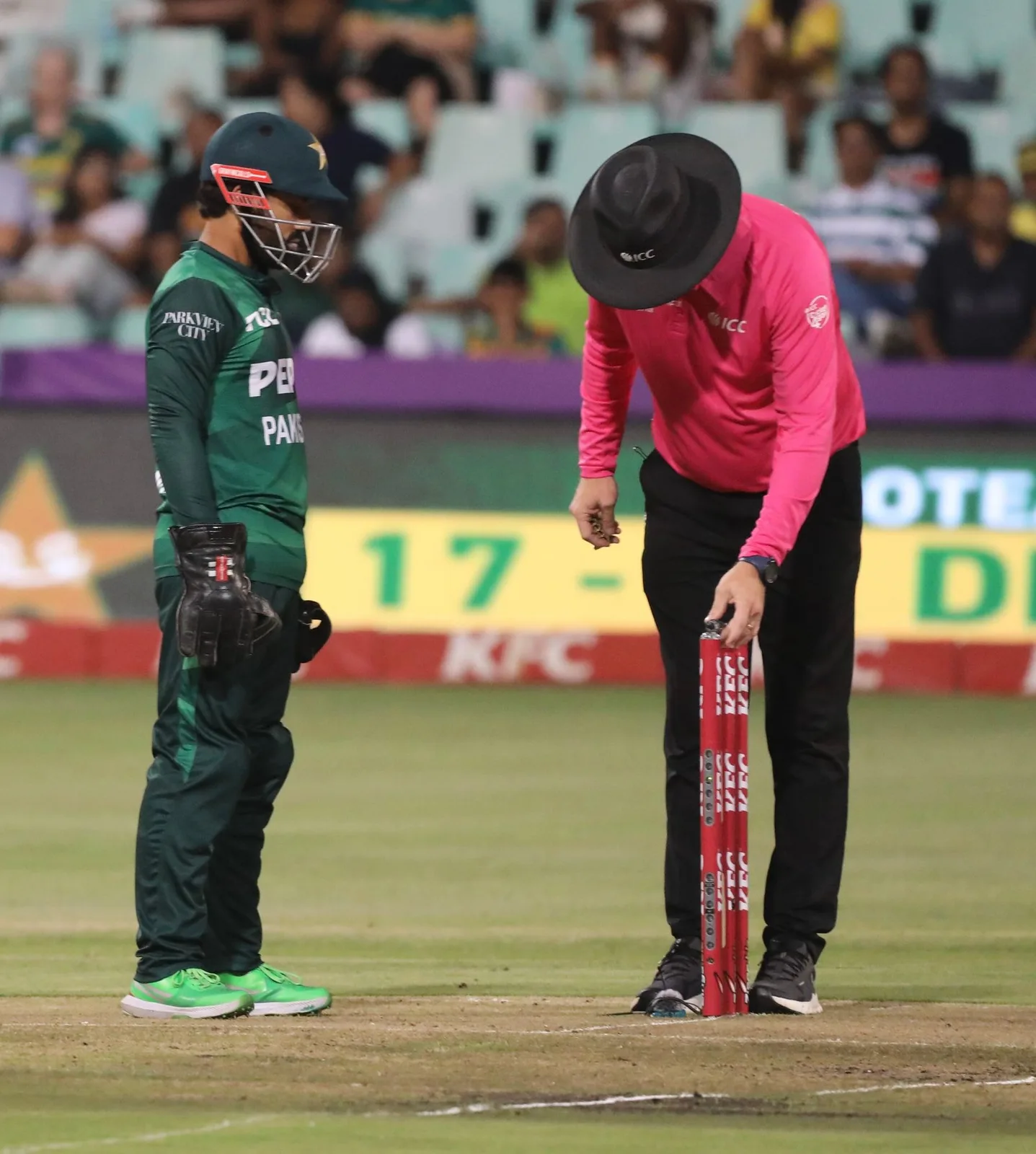
Locate both ends when possible
The two wickets provide a reference for the route, but a photograph may preserve only one. A batter running towards the camera can dominate the frame while the partner and opposite end remain hidden. That image can show effort or direction without establishing whether both batters completed the relevant movement.
Identify the visible crease and wicket before interpreting proximity. A player who appears close to the stumps may still be difficult to locate relative to the relevant ground because of perspective. The physical assembly and the ground reference are related features, not interchangeable points in the image.
If the second end is outside the crop, preserve that limit in the description. A caption can say that a batter is approaching the visible end. It should not automatically say that the run was completed unless the sequence or scoring record supplies the missing part of the account.
Distinguish movement from a credited run
A picture of batters moving is not a scoreboard entry. They may be attempting a run, returning after a call or responding to another event. The scoring treatment depends on the actual sequence and rules. A still frame can document movement while leaving the credited outcome unresolved.
For an uncomplicated fictional example, both batters cross and make good their ground at the opposite ends while the ball remains in play, with no disallowance or other complication. That can illustrate a completed run. The assumptions matter because real passages can involve short running, dismissals or other events affecting the record.
Do not infer those complications from an expressive posture alone. The fact that a player is stretching or diving does not establish the official decision. Read the relevant sequence and outcome. The image can add a visible moment to the explanation without becoming the entire evidence for it.
Communication is not visible in every photograph
Batters coordinate whether to attempt a run, continue or return. A photograph may show a gesture or turned head, but it does not preserve the full conversation. Do not write a specific call into a silent image unless an identified source establishes that it occurred.
A visible hesitation can also have several explanations. The player may be checking the ball, responding to the partner or changing direction for a reason outside the crop. Describe the observed movement before attributing confusion or blame. A single expressive frame is limited evidence of a shared decision process.
A sequence with sound can add information, but the recording still needs to be clear and connected to the event. Commentary describing a misunderstanding is another source, not the same as hearing the batters. Keep those layers distinct so that the reader can tell which part was observed directly.
Follow the ball and the fielders separately
The return of the ball can create a second route through the frame. A batter's position and a fielder's throw are related, but a photograph may capture only one stage of either movement. A ball visible near a wicket does not reconstruct the full return or identify every contact that preceded it.
Perspective can make a throw appear aligned with the stumps from one angle and separated from them in another. That is a reason to seek the relevant view rather than choose whichever image looks most decisive. The question determines which spatial relationship needs to be preserved.
A wider view can help follow several players at once while losing fine detail at the wicket. A closer view can reveal a local moment while hiding the broader sequence. Use the views for complementary purposes rather than expecting one crop to provide complete timing and position information.
Keep scoring attribution attached to the event
Team runs can arise in different categories. A running passage does not automatically mean every added run belongs to the striker's individual score. Extras and the detailed event record can affect attribution. Read the scorecard before using a photograph to assign the increase to a particular batter.
The same caution applies to a dismissal. A run-out concerns a specific set of circumstances under the laws, and the team wicket does not become a wicket credited to the bowler. A celebration or dislodged bail can be part of the visible account without supplying the whole legal and scoring explanation.
For a separate commercial destination, Cricketin is a sponsored provider reference, not a source confirming the pictured running event. The photograph, scoring record and provider information have distinct purposes. Their presence in one article does not establish that the player endorses the destination or that the image documents a service result.
Visit CricketinRead the sequence before choosing a decisive frame
A sequence can show the approach, the relevant action at the wicket and what follows. Selecting one frame from that sequence is an editorial choice. The chosen image may be visually strong while omitting the moment needed to understand the credited run or dismissal.
Knowing the later result can make an earlier frame seem conclusive. Work in the other direction when explaining the evidence: identify the moment, state what is visible and then connect the outcome through the source that establishes it. This keeps the account from implying that the result was already readable in every preceding gesture.
The selection should also preserve the event's identity. Images from different settings can illustrate running, but they should not be arranged as though they document one continuous passage. A clear caption can maintain an illustrative role without inventing a chronology that the sources do not support.
Let the record complete what the image begins
A running photograph is useful because it gives shape to a part of the game that a total compresses. It can show direction, effort and relationships between visible players. The scorecard then supplies credited quantities and identified outcomes. The sources work together when their different roles remain clear.
If a later correction changes the recorded outcome, revisit the caption and surrounding explanation. A sentence that assumed a completed run may no longer fit. Updating only a figure can leave the visual story inconsistent with the revised record. The whole account should describe the same event.
The space between wickets is therefore both physical and informational. Follow the visible route, preserve the limits of the crop and use the identified sequence for what the still image cannot establish. A clearer explanation does not need a more dramatic verdict; it needs the movement and the record to remain connected.
When only one end is visible, that should remain part of the final description. The missing end is a question for another record, not an invitation to complete the scene from memory.
Continue with the main edition, or read Wide view, close detail.